Message From the President: The Importance of Visibility
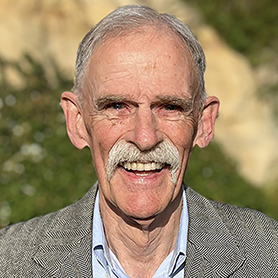
Nicholas C. Spitzer
Over the past few months, SfN has been deeply engaged in responding to the Office of Management and Budget’s (OMB) proposed changes to the federal grantmaking process. If finalized, the proposal would fundamentally alter how federal research grants are assessed, awarded, managed, and terminated, potentially introducing political considerations into funding decisions and reducing the role of expert peer review that has long been the foundation of scientific excellence.
SfN submitted formal comments outlining our concerns and emphasizing the importance of preserving a merit-based, peer-reviewed research enterprise. A list compiled by Research!America shows our submission was one of many from organizations across the research spectrum. In total, OMB received 496,775 comments in just 45 days (an unusually short comment submission period) on the proposed rule, including comments from SfN members. The comments were overwhelmingly opposed to the proposed rule, pointing out that it carries a myriad of risks to the scientific enterprise, among many other things.
In total, OMB received 496,775 comments in just 45 days (an unusually short comment submission period) on the proposed rule, including comments from SfN members.
Almost half a million comments is an astounding number when you pause to think about it. This remarkable response can be attributed to both the tremendous concern about the harm the proposed rule could do, as well as the highly coordinated and disciplined response that extended across scientific societies, universities, patient organizations, and individual researchers. Thank you to all who took the time to post a comment. The visibility of scientists is needed now more than ever.
Advocacy is always one of SfN’s top priorities, and our constant advocacy efforts make it clear that we continue to show up as a Society to champion and protect the field.
Looking Ahead to Neuroscience 2026
Speaking of Neuroscience 2026, this year will offer new tools to help attendees navigate the meeting and connect easily with others. A new AI assistant, Spike, will be available on the meeting app to answer questions about the meeting in real time. In addition, two new networking tools Peer Finder and Smart Matches, will enable those who opt-in to identify other attendees with similar interests and message each other.
A new AI assistant, Spike, will be available on the meeting app to answer questions about the meeting in real time.
Keep in mind, SfN is again offering a late-breaking abstracts submission opportunity. If your most exciting research was not ready during the regular abstract submission period, late-breaking abstracts submissions will be accepted September 8–15, or until the submission cap of 2,500 abstracts is reached.
The Neuroscience 2026 scientific program will feature an outstanding lineup of speakers, including the Presidential Special Lectures and Dialogues:
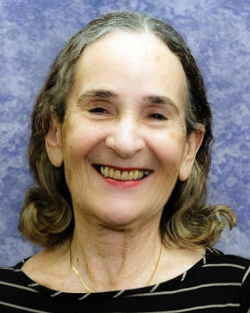
Our Dialogues speaker, Neta A. Bahcall, will present Cosmology, the Brain, and Thinking Outside the Box. How are cosmology and neuroscience related? Both address fundamental questions in science. Each involves exploring invisible systems. In cosmology, ~95% of the universe is unseen. In neuroscience, essential variables are also hidden, accessible only through indirect measurements. Cosmology breakthroughs are a combination of experiment and theory, using standard and “out-of-the-box” thinking. These conceptual and methodological advances may inspire new ways of probing the mysteries of the brain.
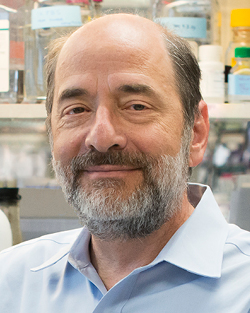
Moving to the four Presidential Special Lectures, Michael E. Greenberg will present How Nature and Nurture Conspire to Control Brain Development and Function. In this lecture, Greenberg reflects on a 40-year scientific journey focused on a fundamental question: how do nature (genetic programs) and nurture (environmental experience) converge to shape learning, memory, and behavior? Greenberg will begin with a brief historical perspective, then highlight recent discoveries showing how sensory-dependent gene transcription, initiated within hours, can generate enduring memories, and conclude with emerging evidence that a blood-borne factor acting through astrocytes shapes brain plasticity.
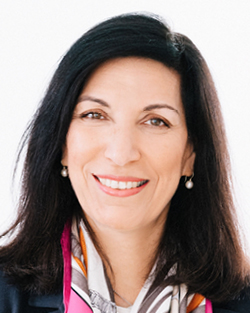
Huda Y. Zoghbi will present Rett Syndrome and MeCP2 Disorders: Genes, Circuits, and Treatment Strategies. Rett syndrome is a severe childhood neurological disorder caused by mutations in methyl CpG binding protein 2 (MeCP2). The brain is acutely sensitive to MeCP2 levels — both loss and gain of function produce neurological disease in mice and humans. This lecture will cover cell-specific molecular changes downstream of MeCP2 dysfunction, the neuronal and circuit abnormalities driving Rett phenotypes, and therapeutic strategies targeting MeCP2 loss and gain.
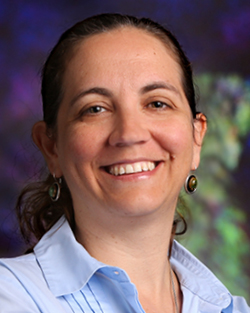
Cagla Eroglu will present How Does Bidirectional Astrocyte-Neuron Signaling Drive Circuit Formation and Function? Astrocytes are integral components of neural circuits that actively communicate with neurons to shape synapse formation, maturation, and plasticity. This lecture will examine how bidirectional astrocyte-neuron signaling coordinates excitatory and inhibitory circuit assembly through contact-dependent mechanisms and secreted factors, and how this dynamic interplay contributes to circuit function and refinement in development and disease.
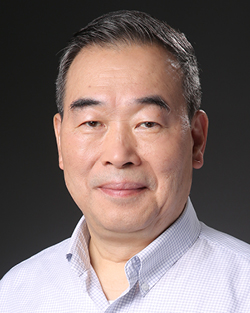
Mu-ming Poo will present Transcriptomes, Connectomes, and Neuromodulation. Recent efforts in cell type identification and single-neuron connectome mapping of non-human primate (NHP) brains may facilitate circuit-specific modulation of brain functions and dysfunctions. Several outstanding issues remain: distinction between neuronal types vs. states, between mediating vs. modulating role of neurons, cause vs. effect within complex neural networks, and normal vs. abnormal brain functions. Progress in generating NHP models of disease phenotypes and the use of them for developing brain disease therapies will also be discussed.
Finally, be sure to register early to save anywhere from $20 to $140 depending on membership category. The advance registration deadline is October 5, after which regular registration rates will apply. I look forward to seeing you in Washington, D.C., this November.